
 中文简体
中文简体
The global urban infrastructure sector is undergoing rapid modernization as street lights play an increasingly critical role in building safer, smarter, and more sustainable cities. As a fundamental component of public lighting systems, street lights are essential for ensuring road safety, improving nighttime visibility, and enhancing the overall quality of urban life.
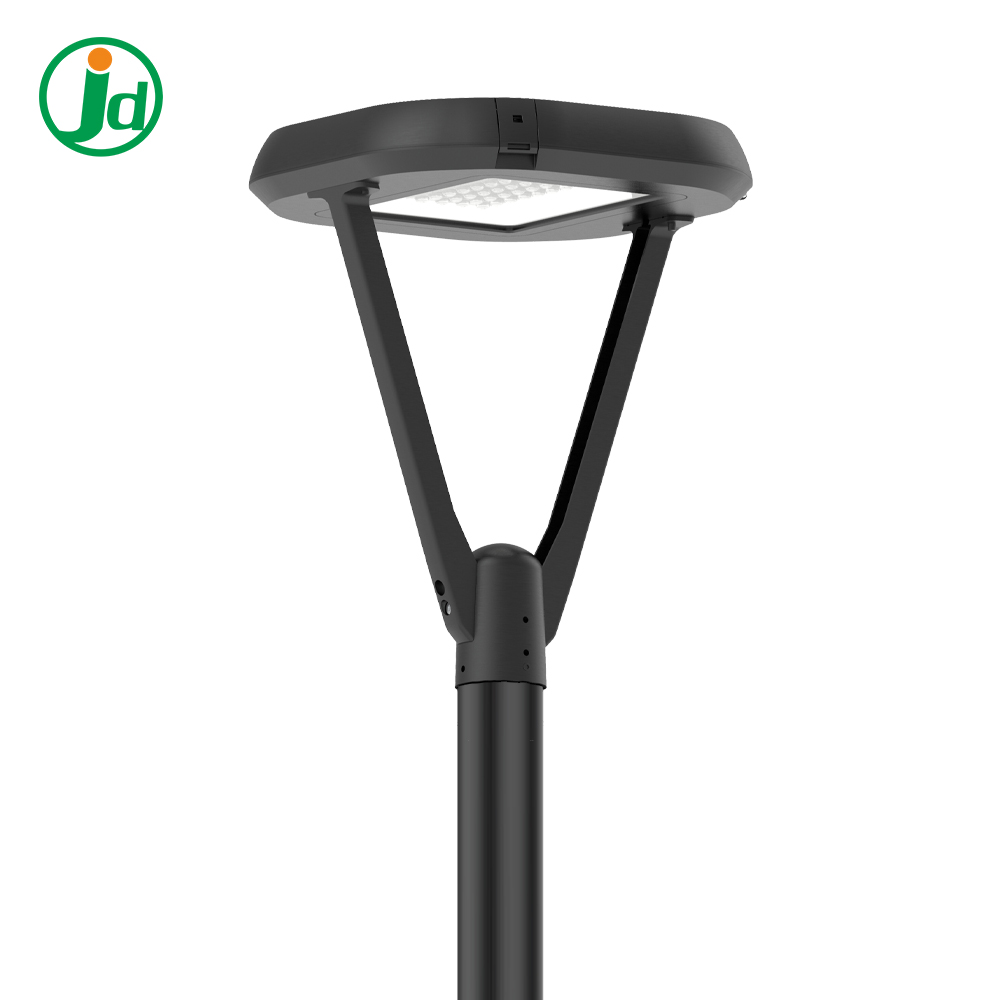
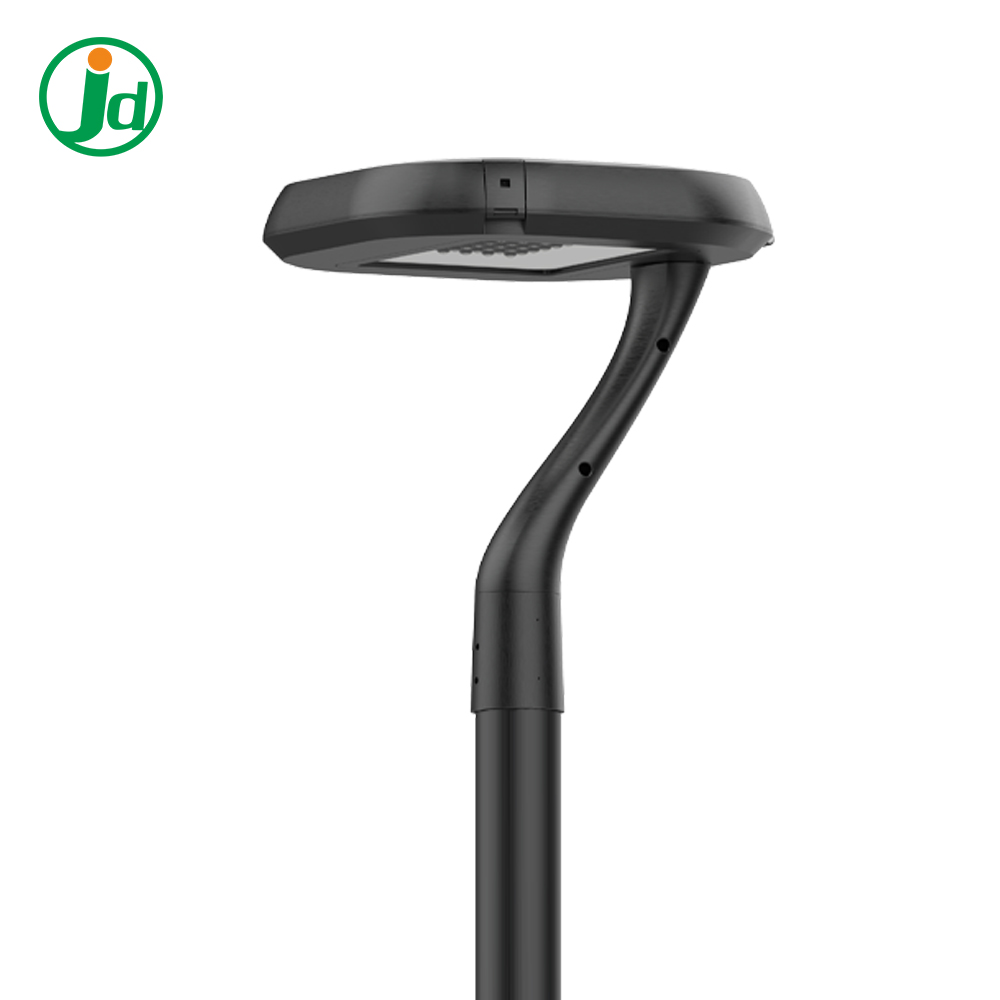
In recent years, the widespread adoption of LED technology has significantly upgraded traditional street lighting systems. LED street lights offer superior brightness, uniform light distribution, and substantially lower energy consumption compared to conventional high-pressure sodium and metal halide lamps. These advantages have enabled municipalities to reduce electricity costs and carbon emissions while improving lighting performance across urban and rural areas.
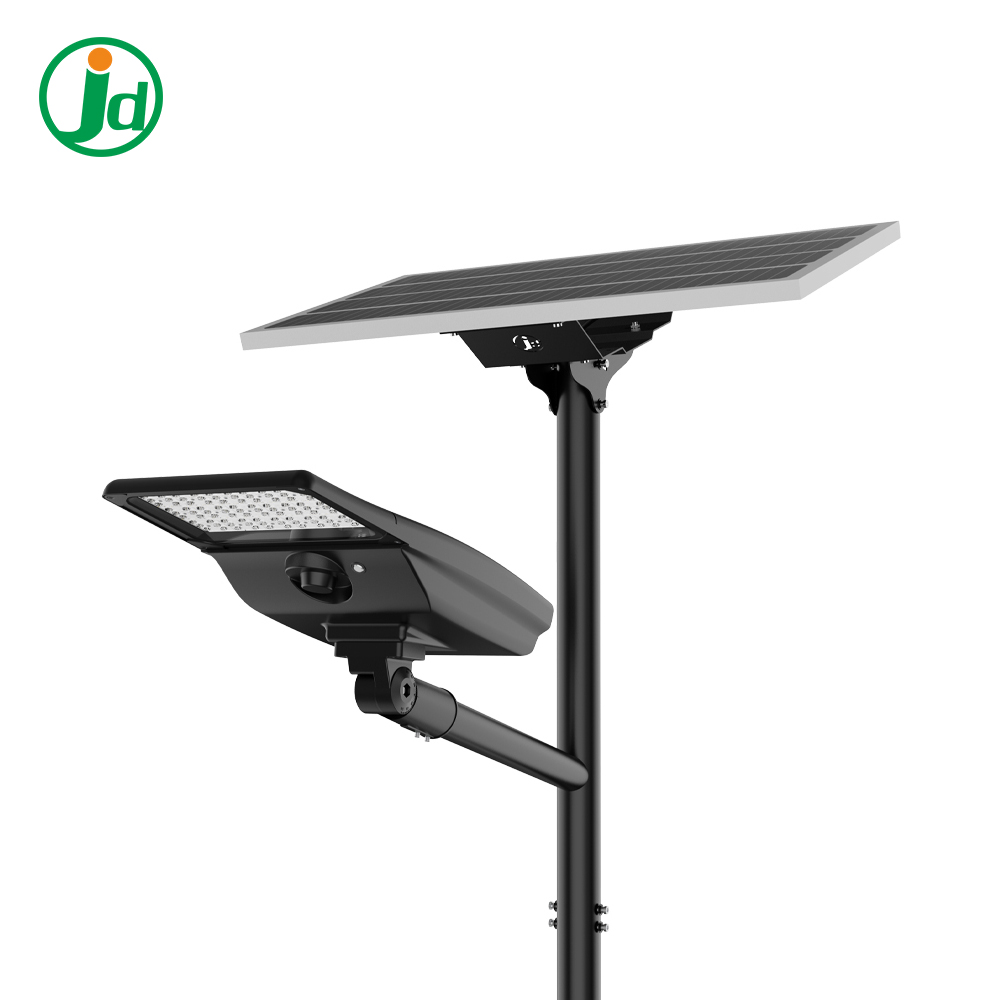
Solar-powered street lights are gaining strong momentum, particularly in regions with abundant sunlight and limited grid infrastructure. Equipped with high-efficiency solar panels, advanced batteries, and intelligent controllers, modern solar street lights operate independently from the power grid. This makes them an ideal solution for remote areas, highways, industrial zones, and new urban developments where installation costs and energy efficiency are major concerns.
Smart street lighting systems are further accelerating industry innovation. By integrating sensors, wireless communication modules, and centralized management platforms, smart street lights enable real-time monitoring, remote control, and automated adjustment based on traffic flow, weather conditions, and ambient light levels. These systems enhance operational efficiency, improve public safety, and support the development of smart city ecosystems.
Durability and reliability remain key priorities in street light design. Manufacturers are increasingly using high-quality materials such as die-cast aluminum housings and tempered glass lenses to ensure resistance to harsh weather conditions, corrosion, and long-term outdoor exposure. Strict quality standards and testing procedures are being implemented to guarantee stable performance and extended service life.
Government investment and public-private partnerships continue to drive market growth. Many cities are actively upgrading outdated lighting infrastructure as part of broader energy-saving and carbon-reduction initiatives. Well-designed street lighting not only improves road safety for drivers, cyclists, and pedestrians but also contributes to crime prevention and improved urban aesthetics.
Industry analysts predict sustained growth in the global street light market, supported by urbanization, infrastructure expansion, and increasing demand for intelligent and sustainable lighting solutions. As technology continues to evolve, street lights are expected to become more connected, energy-efficient, and environmentally friendly, playing a vital role in the future of urban development.