
 中文简体
中文简体
Gone are the days when streetlights were simple, passive fixtures casting a static glow. A quiet revolution is illuminating cities worldwide, as municipalities deploy a new breed of intelligent lighting systems that promise enhanced safety, significant cost savings, and a path toward sustainable urban management.
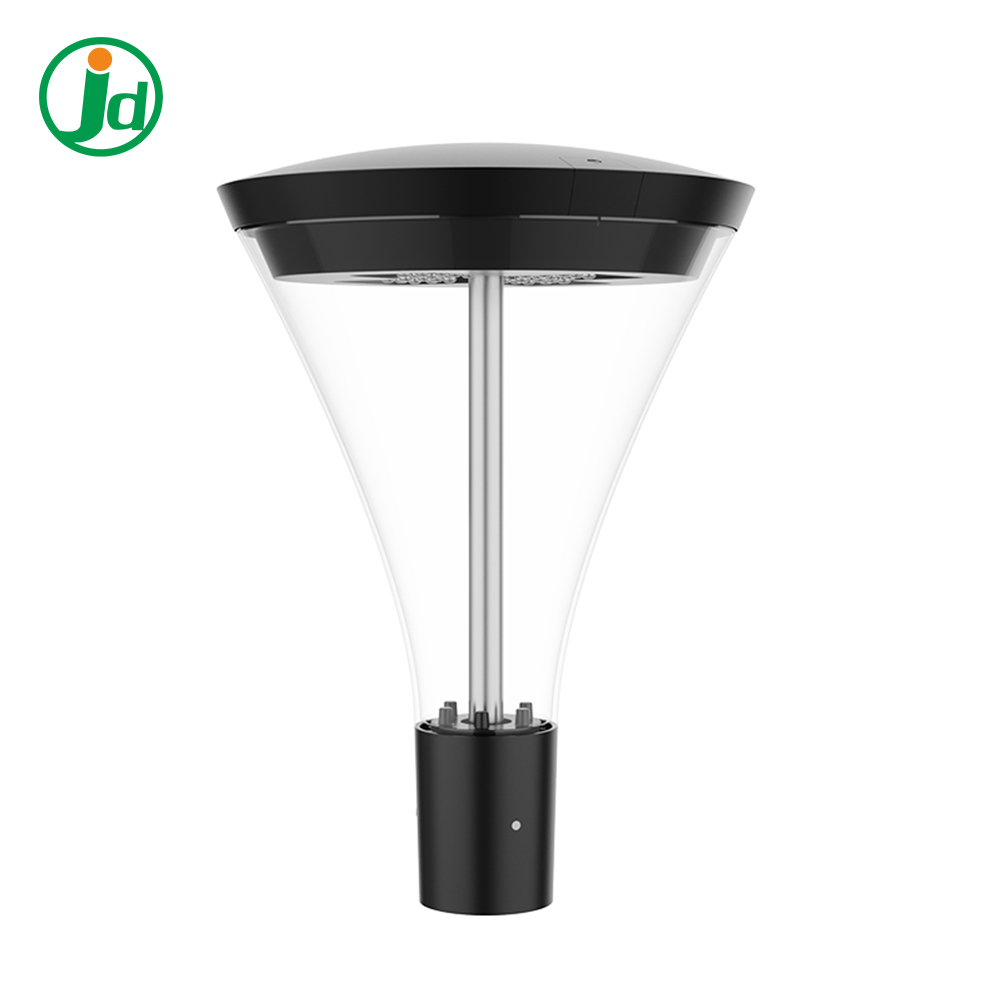
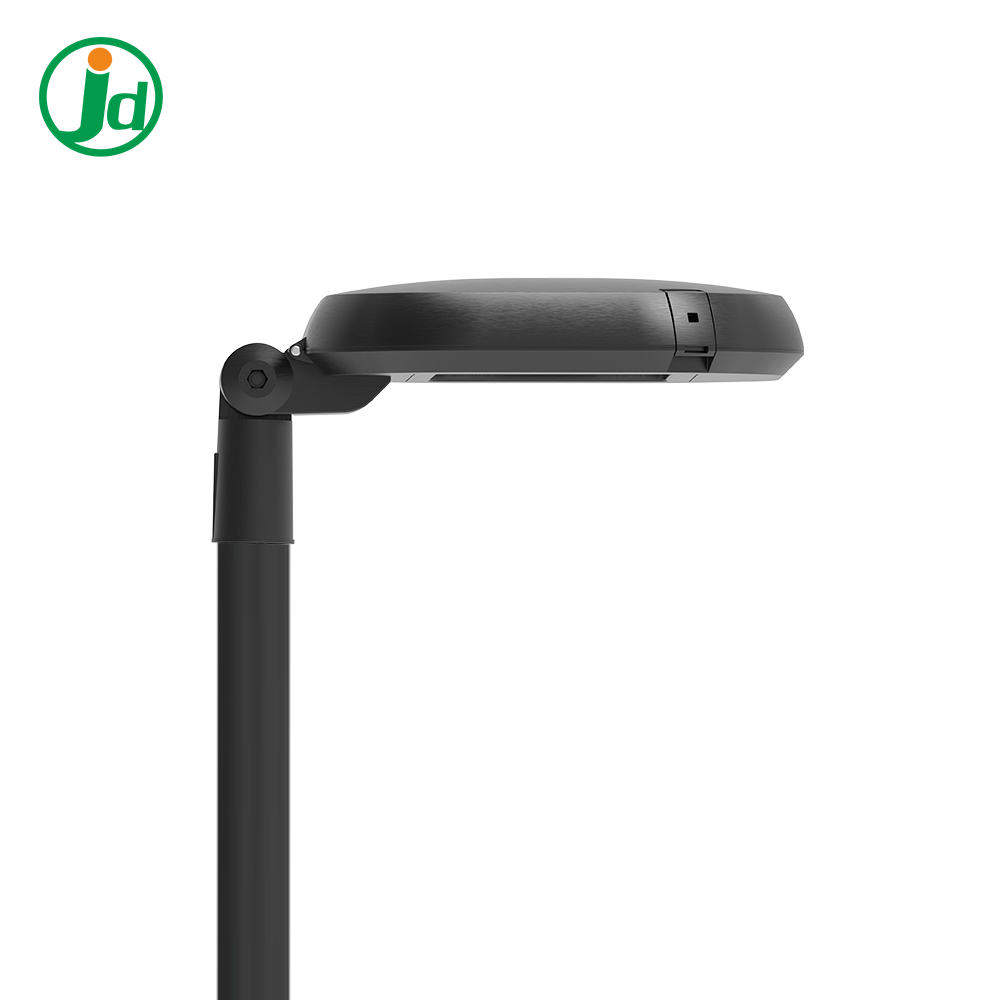
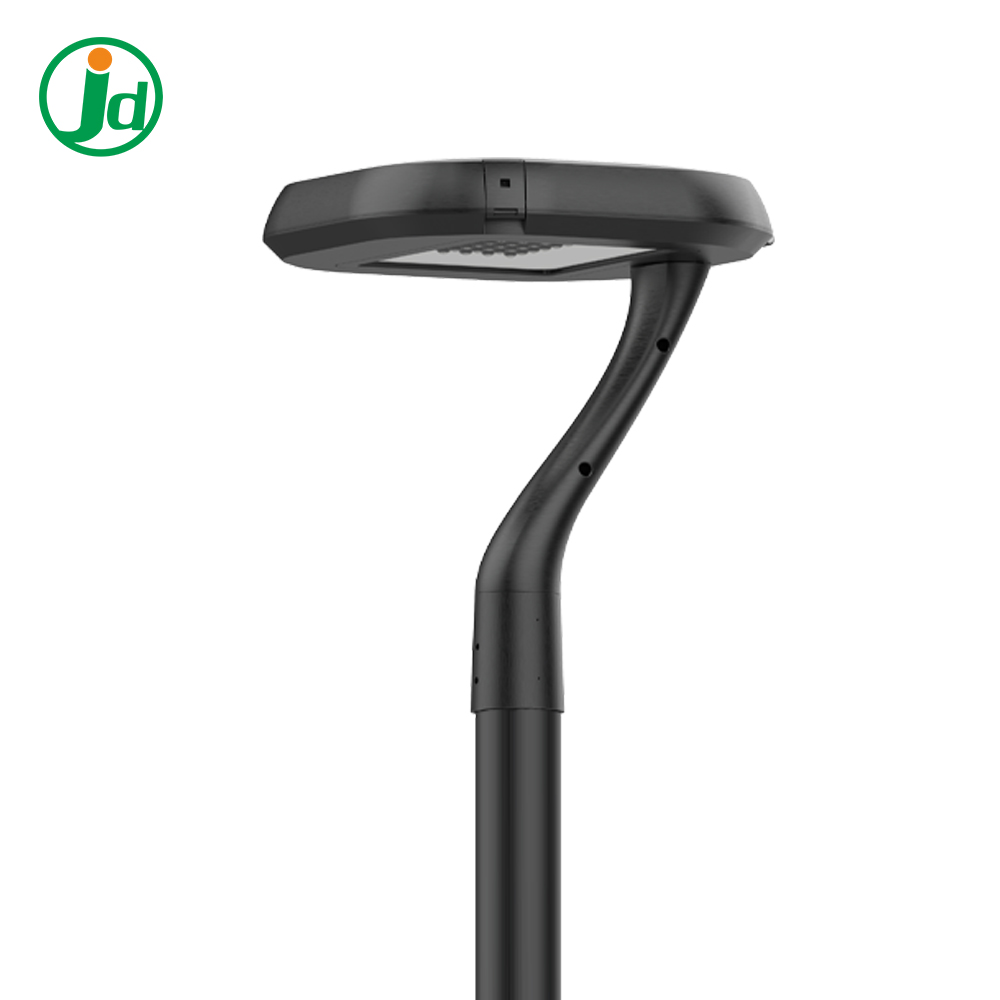
At the heart of this transformation are LED luminaires integrated with advanced sensors and Internet of Things (IoT) connectivity. These are no longer just lights; they are data-collection nodes on a city-wide network. Equipped with motion sensors, they can dynamically adjust brightness—dimming to an energy-saving mode when streets are empty and brightening instantly as pedestrians or vehicles approach, improving both security and efficiency.
"These adaptive systems can reduce energy consumption by up to 80% compared to traditional lighting," explains Dr. Anya Sharma, an urban technology researcher. "The savings are monumental, but the real value lies in the data and the platform they create."
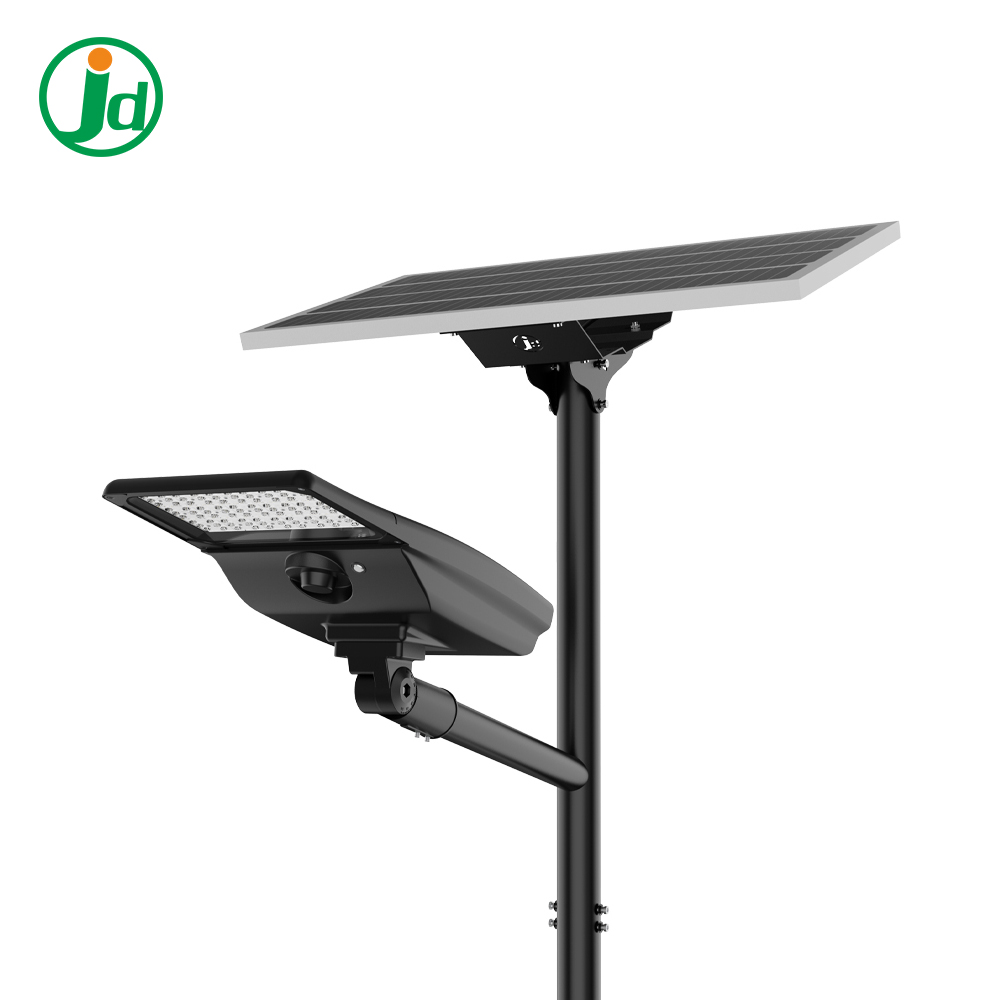
The innovation extends beyond efficiency. The integration of solar panels and high-capacity batteries is making streetlights energy-independent. This is a game-changer for remote areas, developing regions, and for enhancing grid resilience during power outages. Modern designs incorporate sleek, built-in solar canopies that charge during the day to power the night.
Furthermore, the humble streetlight pole is evolving into a multi-functional "smart pole." These structures can host:
- 5G small cells to improve wireless coverage.
- Environmental sensors monitoring air quality, temperature, and noise levels.
- Public safety features like emergency buttons and integrated cameras (with privacy-protected analytics).
- Electric Vehicle (EV) charging ports, supporting the transition to green transport.
Artificial Intelligence plays a crucial role in management. Centralized AI-powered lighting management platforms allow city operators to monitor every unit in real-time, predict maintenance needs, and analyze traffic and pedestrian flow patterns to inform broader urban planning decisions.
Pilot projects in cities like Barcelona, Singapore, and San Diego have demonstrated tangible benefits: reduced carbon footprints, lower operational costs, and improved public safety metrics. The initial investment is offset by long-term savings and the creation of a scalable digital infrastructure.
Challenges remain, including the upfront capital required, data privacy concerns, and the need for robust cybersecurity for the expanding urban IoT network. However, the trajectory is clear.
"The streetlight network is the most pervasive physical grid a city owns," says Carlos Mendez, a smart city infrastructure consultant. "We are fundamentally repurposing it. It’s becoming the central nervous system of the smart city, sensing and responding to the urban environment in real-time."
As night falls on the modern city, the light guiding the way is no longer just illumination—it's intelligence made visible, paving the way for safer, more sustainable, and responsive urban living.